What photos work best for a recipe video thumbnail?
add
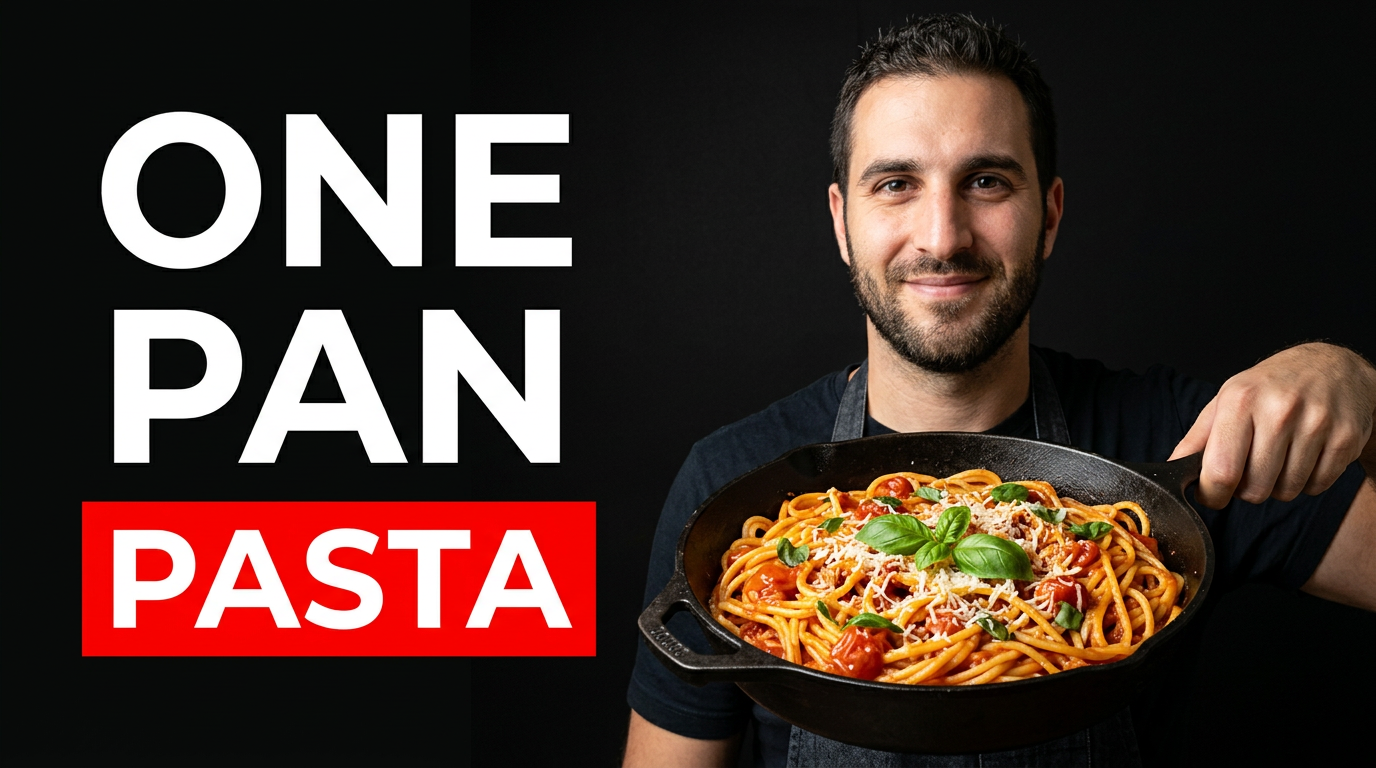
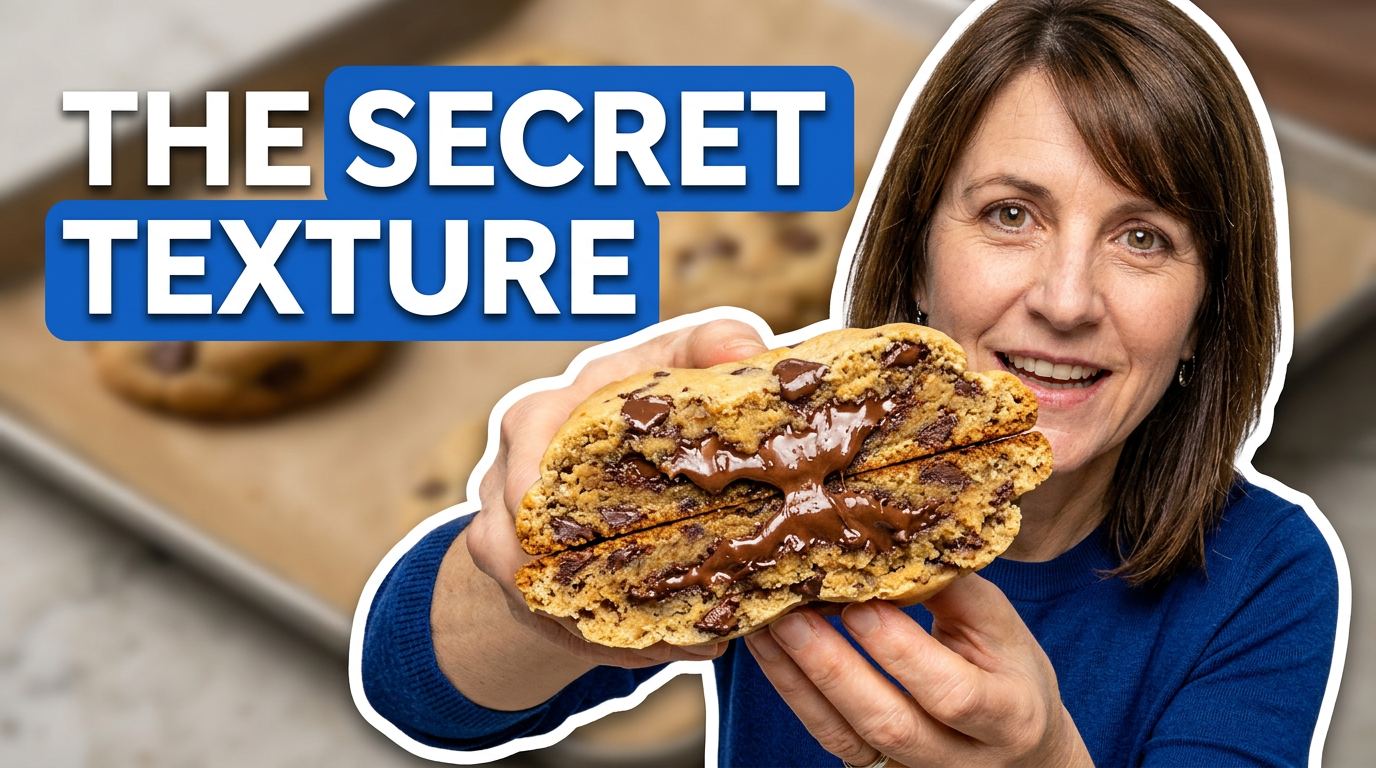
Use the finished dish whenever possible, photographed close enough to show texture and color. A fork lift, cheese pull, sliced interior, glossy sauce, or fresh garnish can make the result easier to understand at a glance. Include step photos only when the technique itself is the video’s main hook.
Should I put my face in every cooking thumbnail?
add
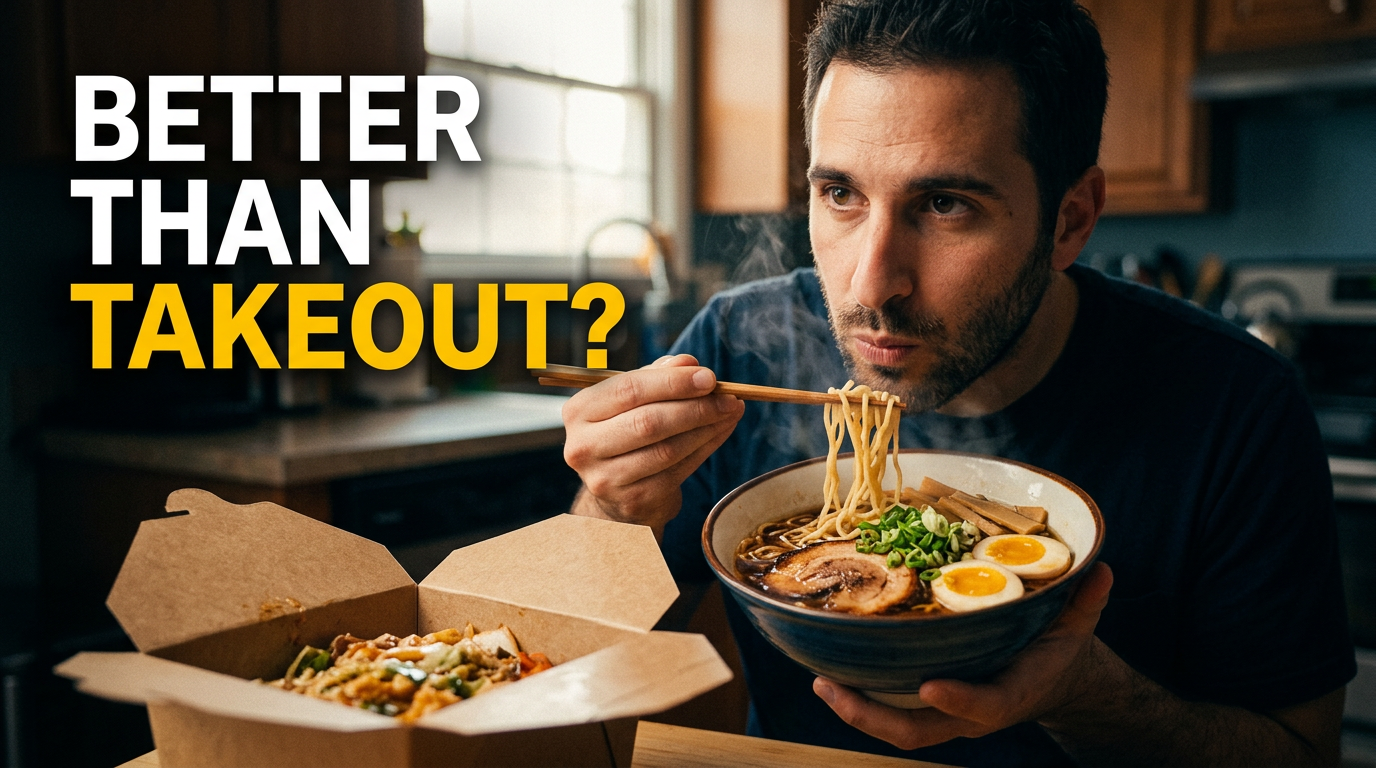
No. Use your face when a reaction, tasting moment, challenge, or personal recommendation is central to the video. For a search-driven recipe such as a cake, soup, or weeknight dinner, a large, appetizing dish image may communicate the idea more clearly.
How much text should a food thumbnail have?
add
Keep wording brief—usually a recipe promise, key outcome, or intriguing qualifier. Let the title provide the full recipe name and details. The thumbnail wording should stay readable without covering the best part of the food.
Can I use my own plated-food and kitchen photos?
add
Yes. Upload your own dish photos, ingredient images, kitchen shots, and creator photos, then direct the composition around those source materials. This is especially useful when the recipe’s real result needs to match what viewers will see in the video.
What makes a baking thumbnail different from a dinner recipe thumbnail?
add
Baking thumbnails often benefit from showing height, crumb, layers, frosting, or a clean slice. Dinner thumbnails usually perform best when they show warmth, sauce, texture, and a complete serving. In both cases, prioritize one unmistakable final result.
How can I make thumbnails for a recurring cooking series feel consistent?
add
Repeat a few channel cues, such as a preferred color family, image framing, face placement, or text treatment, while changing the dish, background accents, and visual hook for each video. Consistency should support recognition without making recipes look interchangeable.